Buy projectcore.eu ?
We are moving the project
projectcore.eu .
Are you interested in purchasing the domain
projectcore.eu ?
domain@kv-gmbh.de · 0541-91531010
Buy projectcore.eu ?
Are halogenoalkanes nonpolar?
Halogenoalkanes are generally considered to be polar molecules. This is because the carbon-halogen bond is polar due to the difference in electronegativity between carbon and the halogen atom. The halogen atom is more electronegative than carbon, causing a partial negative charge on the halogen and a partial positive charge on the carbon. This uneven distribution of charge results in a polar molecule. **
What are halogenoalkanes?
Halogenoalkanes, also known as alkyl halides, are organic compounds that contain one or more halogen atoms (fluorine, chlorine, bromine, or iodine) bonded to an alkane carbon chain. The general formula for halogenoalkanes is R-X, where R represents the alkyl group and X represents the halogen atom. These compounds are widely used in organic synthesis, as solvents, and as intermediates in the production of various chemicals. Halogenoalkanes are classified based on the number of halogen atoms attached to the alkane carbon chain, such as mono-, di-, or polyhalogenoalkanes. **


Similar search terms for Halogenoalkanes
Top-Angebote
Products related to Halogenoalkanes:
-
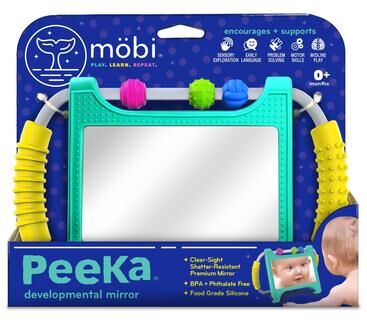
Mobi Peeka Development MirrorPEEKA® developmental mirror was designed by our team of doctors, therapists and parents to help children explore, learn and grow. When you place PEEKA® in the hands of your little ones, you will be amazed at the variety of ways they find to play...26,99 $*Shipping: 0,00 $Secure redirect to the provider
-
Classic Editions The Complete Art of War – 8 Book Hardback Box Set Sun Tzu & Ancient Chinese Military Strategy Classics Leadership, Warfare & Strategy CollectionExplore centuries of strategic thinking with The Complete Art of War – 8 Books Collection Hardback Box Set, an impressive collection of classical Chinese writings on warfare, leadership, tactics and strategy. Bringing together influential works from ancient Chinese military thought, this hardback collection includes titles such as The Art of War, Methods of the Sima, Wuzi, Wei Liaozi, Three Strategies of Huang Shigong, and Six Secret Teachings of Taigong, alongside additional works included in the eight-volume set. These enduring texts examine subjects including leadership, planning, discipline, intelligence, diplomacy, battlefield tactics and strategic decision-making. Although written in the context of ancient warfare, many of their principles have subsequently attracted readers interested in history, leadership and strategic thinking. Presented as an 8-volume hardback boxed collection, the set is ideal for readers of military history, students of classical philosophy and collectors of beautifully presented classic works. Why Readers Will Love This Collection Includes 8 hardback volumes in a collectible box set Features influential works of ancient Chinese military strategy Explores strategy, leadership, tactics and decision-making Excellent addition to military history and philosophy collections Attractive hardback format for a home or study library Ideal gift for history, strategy and classic literature enthusiasts The Complete Art of War 8 Book Collection brings together some of history's most enduring works on strategy in one impressive hardback set. Titles In This Set: Notebook Questions and Replies Three Strategies of Huang Shigong Wuzi Wei Liaozi The Methods of The Sima Six Secret Teachings of Taigong The Art of War16,99 £*Shipping: 2,99 £Secure redirect to the provider
-
Playful Picks Intelligent Escaping Toy Interactive Baby Development Toy Intelligent Escaping Toy Interactive Baby Development ToyIntelligent Escaping Toy The Ultimate Interactive Baby Development ToyDont let your toddlers get glued to mobile screens; introduce them to the Intelligent Escaping Toy, the perfect alternative that promotes healthy growth and development. Unlike...29,97 $*Shipping: 0,00 $Secure redirect to the provider



-
Why are halogenoalkanes gaseous?
Halogenoalkanes are gaseous at room temperature because they have relatively weak intermolecular forces. The halogen atoms in halogenoalkanes are larger and more polarizable than other atoms, which leads to weaker van der Waals forces between molecules. As a result, halogenoalkanes have lower boiling points and are more likely to exist as gases at room temperature compared to other types of organic compounds. **
-
What is the nomenclature of halogenoalkanes?
Halogenoalkanes are named using the IUPAC system, where the halogen atom is treated as a substituent on an alkane chain. The halogen is named as a prefix (fluoro-, chloro-, bromo-, iodo-) followed by the alkane name indicating the number of carbon atoms in the longest chain. The position of the halogen atom is indicated by the number of the carbon atom it is attached to, starting from the end nearest to the halogen. If there are multiple halogen atoms, the positions are indicated by numbers separated by commas. **
-
What is the solubility of halogenoalkanes?
The solubility of halogenoalkanes, also known as alkyl halides, varies depending on the specific compound and the solvent. Generally, halogenoalkanes are not very soluble in water due to their non-polar nature and the strong dipole-dipole interactions between the halogen and the alkyl group. However, they are more soluble in organic solvents such as dichloromethane, chloroform, and ether due to their similar non-polar nature. The solubility of halogenoalkanes can also be influenced by the size and structure of the alkyl group and the type of halogen present in the molecule. **
-
Why was the use of halogenoalkanes heavily restricted?
The use of halogenoalkanes was heavily restricted due to their harmful effects on the environment and human health. Halogenoalkanes are known to be persistent organic pollutants that can bioaccumulate in the food chain, leading to long-term environmental damage. Additionally, some halogenoalkanes have been linked to ozone depletion and global warming. Therefore, restrictions were put in place to minimize their release into the environment and protect both ecosystems and human health. **

How are halogenoalkanes broken down in the atmosphere?
Halogenoalkanes are broken down in the atmosphere through a process called photolysis, which is the breaking down of molecules by sunlight. When halogenoalkanes are exposed to sunlight, the carbon-halogen bond is broken, releasing a halogen atom. This free halogen atom can then react with ozone in the atmosphere, leading to the depletion of the ozone layer. This process contributes to environmental issues such as ozone depletion and global warming. **
How are halogenoalkanes produced in a chemical emergency?
Halogenoalkanes can be produced in a chemical emergency through the process of halogenation, where a halogen (such as chlorine or bromine) is added to an alkane. This can occur unintentionally in industrial accidents or chemical spills involving halogen-containing compounds. For example, if a chlorine gas leak were to occur in a facility handling organic compounds, the chlorine could react with the organic molecules to form halogenoalkanes. These accidental reactions can result in the production of potentially hazardous halogenoalkanes, which can pose risks to human health and the environment. **
Top-Angebote
Products related to Halogenoalkanes:
-
HARPERCOLLINS Creative Confidence by Tom & David Kelley – Unleashing Your Creative Potential & Innovation MindsetA powerful and inspiring book from the founders of IDEO, the award-winning design firm, on unleashing the creativity that lies within each and every one of us. Too often, companies and individuals assume that creativity and innovation are the domain of the ‘creative types’. But two of the foremost experts in innovation, design and creativity on the planet show us that each and every one of us is creative. In an entertaining and inspiring narrative that draws on countless stories from their work at IDEO, and with many of the world's top companies and design firms, David and Tom Kelley identify the principles and strategies that will allow us to tap into our creative potential in our work lives, and in our personal lives, allow us to think outside the box in terms of how we approach and solve problems. ‘Creative Confidence’ is a book that will help each of us be more productive and successful in our lives and in our careers.4,95 £*Shipping: 1,99 £Secure redirect to the provider
-
Mamas & Papas Special Edition Liberty Collaboration Cold Weather Plus FootmuffThe Cold Weather Plus Footmuff by Mamas & Papas is the ultimate footmuff for cold weather protection, and features an extra-soft fleece lining. Ideal for keeping baby warm and cozy when out and about in cool weather, you can even zip down to a liner...150,00 $*Shipping: 0,00 $Secure redirect to the provider
-
Mobi Peeka Development MirrorPEEKA® developmental mirror was designed by our team of doctors, therapists and parents to help children explore, learn and grow. When you place PEEKA® in the hands of your little ones, you will be amazed at the variety of ways they find to play...26,99 $*Shipping: 0,00 $Secure redirect to the provider
-
Are halogenoalkanes nonpolar?
Halogenoalkanes are generally considered to be polar molecules. This is because the carbon-halogen bond is polar due to the difference in electronegativity between carbon and the halogen atom. The halogen atom is more electronegative than carbon, causing a partial negative charge on the halogen and a partial positive charge on the carbon. This uneven distribution of charge results in a polar molecule. **
-
What are halogenoalkanes?
Halogenoalkanes, also known as alkyl halides, are organic compounds that contain one or more halogen atoms (fluorine, chlorine, bromine, or iodine) bonded to an alkane carbon chain. The general formula for halogenoalkanes is R-X, where R represents the alkyl group and X represents the halogen atom. These compounds are widely used in organic synthesis, as solvents, and as intermediates in the production of various chemicals. Halogenoalkanes are classified based on the number of halogen atoms attached to the alkane carbon chain, such as mono-, di-, or polyhalogenoalkanes. **
-
Why are halogenoalkanes gaseous?
Halogenoalkanes are gaseous at room temperature because they have relatively weak intermolecular forces. The halogen atoms in halogenoalkanes are larger and more polarizable than other atoms, which leads to weaker van der Waals forces between molecules. As a result, halogenoalkanes have lower boiling points and are more likely to exist as gases at room temperature compared to other types of organic compounds. **
-
What is the nomenclature of halogenoalkanes?
Halogenoalkanes are named using the IUPAC system, where the halogen atom is treated as a substituent on an alkane chain. The halogen is named as a prefix (fluoro-, chloro-, bromo-, iodo-) followed by the alkane name indicating the number of carbon atoms in the longest chain. The position of the halogen atom is indicated by the number of the carbon atom it is attached to, starting from the end nearest to the halogen. If there are multiple halogen atoms, the positions are indicated by numbers separated by commas. **
Similar search terms for Halogenoalkanes
-
Classic Editions The Complete Art of War – 8 Book Hardback Box Set Sun Tzu & Ancient Chinese Military Strategy Classics Leadership, Warfare & Strategy CollectionExplore centuries of strategic thinking with The Complete Art of War – 8 Books Collection Hardback Box Set, an impressive collection of classical Chinese writings on warfare, leadership, tactics and strategy. Bringing together influential works from ancient Chinese military thought, this hardback collection includes titles such as The Art of War, Methods of the Sima, Wuzi, Wei Liaozi, Three Strategies of Huang Shigong, and Six Secret Teachings of Taigong, alongside additional works included in the eight-volume set. These enduring texts examine subjects including leadership, planning, discipline, intelligence, diplomacy, battlefield tactics and strategic decision-making. Although written in the context of ancient warfare, many of their principles have subsequently attracted readers interested in history, leadership and strategic thinking. Presented as an 8-volume hardback boxed collection, the set is ideal for readers of military history, students of classical philosophy and collectors of beautifully presented classic works. Why Readers Will Love This Collection Includes 8 hardback volumes in a collectible box set Features influential works of ancient Chinese military strategy Explores strategy, leadership, tactics and decision-making Excellent addition to military history and philosophy collections Attractive hardback format for a home or study library Ideal gift for history, strategy and classic literature enthusiasts The Complete Art of War 8 Book Collection brings together some of history's most enduring works on strategy in one impressive hardback set. Titles In This Set: Notebook Questions and Replies Three Strategies of Huang Shigong Wuzi Wei Liaozi The Methods of The Sima Six Secret Teachings of Taigong The Art of War16,99 £*Shipping: 2,99 £Secure redirect to the provider
-
Playful Picks Intelligent Escaping Toy Interactive Baby Development Toy Intelligent Escaping Toy Interactive Baby Development ToyIntelligent Escaping Toy The Ultimate Interactive Baby Development ToyDont let your toddlers get glued to mobile screens; introduce them to the Intelligent Escaping Toy, the perfect alternative that promotes healthy growth and development. Unlike...29,97 $*Shipping: 0,00 $Secure redirect to the provider
-
Multisell Products Hub Easy To Play Chess Board Game Toy, Educational Strategy Table Games Easy To Play Chess Board Game Toy, Educational Strategy Table GamesEngage Your Mind with a Classic Chess Board Game The Chess Board Game Toy is a timeless strategy game that offers endless fun for both beginners and experienced players. Designed to be easy to play, this game is perfect for improving focus,...49,97 $*Shipping: 0,00 $Secure redirect to the provider
-
What is the solubility of halogenoalkanes?
The solubility of halogenoalkanes, also known as alkyl halides, varies depending on the specific compound and the solvent. Generally, halogenoalkanes are not very soluble in water due to their non-polar nature and the strong dipole-dipole interactions between the halogen and the alkyl group. However, they are more soluble in organic solvents such as dichloromethane, chloroform, and ether due to their similar non-polar nature. The solubility of halogenoalkanes can also be influenced by the size and structure of the alkyl group and the type of halogen present in the molecule. **
-
Why was the use of halogenoalkanes heavily restricted?
The use of halogenoalkanes was heavily restricted due to their harmful effects on the environment and human health. Halogenoalkanes are known to be persistent organic pollutants that can bioaccumulate in the food chain, leading to long-term environmental damage. Additionally, some halogenoalkanes have been linked to ozone depletion and global warming. Therefore, restrictions were put in place to minimize their release into the environment and protect both ecosystems and human health. **
-
How are halogenoalkanes broken down in the atmosphere?
Halogenoalkanes are broken down in the atmosphere through a process called photolysis, which is the breaking down of molecules by sunlight. When halogenoalkanes are exposed to sunlight, the carbon-halogen bond is broken, releasing a halogen atom. This free halogen atom can then react with ozone in the atmosphere, leading to the depletion of the ozone layer. This process contributes to environmental issues such as ozone depletion and global warming. **
-
How are halogenoalkanes produced in a chemical emergency?
Halogenoalkanes can be produced in a chemical emergency through the process of halogenation, where a halogen (such as chlorine or bromine) is added to an alkane. This can occur unintentionally in industrial accidents or chemical spills involving halogen-containing compounds. For example, if a chlorine gas leak were to occur in a facility handling organic compounds, the chlorine could react with the organic molecules to form halogenoalkanes. These accidental reactions can result in the production of potentially hazardous halogenoalkanes, which can pose risks to human health and the environment. **
* All prices are inclusive of VAT and, if applicable, plus shipping costs. The offer information is based on the details provided by the respective shop and is updated through automated processes. Real-time updates do not occur, so deviations can occur in individual cases. ** Note: Parts of this content were created by AI.