Buy projectcore.eu ?
We are moving the project
projectcore.eu .
Are you interested in purchasing the domain
projectcore.eu ?
domain@kv-gmbh.de · 0541-91531010
Buy projectcore.eu ?
What is the right choice for crossdressers: pinafore dress or pinafore skirt?
The right choice for crossdressers ultimately depends on personal preference and comfort. Some may feel more comfortable and confident in a pinafore dress, as it provides a complete outfit in one piece and can create a more feminine silhouette. Others may prefer a pinafore skirt, as it allows for more flexibility in pairing with different tops and creating different looks. It's important for crossdressers to choose the option that makes them feel the most authentic and comfortable in their own skin. **
Do people weave tarantulas?
No, people do not weave tarantulas. Tarantulas are living creatures, not materials that can be woven. However, some cultures may use the silk produced by tarantulas for various purposes, such as making clothing or other items. But the act of weaving itself does not involve tarantulas. **


Similar search terms for Seasalt-Salt-Weave-Pinafore
Top-Angebote
Products related to Seasalt-Salt-Weave-Pinafore:
-
Seasalt Janelle Coat WoodlandMade to last from year to year, the Seasalt Janelle Coat in Woodland has a recycled nylon Tide Cycle® outer. Its relaxed shape allows for plenty of cosy layers underneath, and it falls to the knee for extra coverage. The upper half is lined with soft recycled fleece, while quilted lining at the bottom gives you ease of movement as well as warmth. Designed for the Cornish elements, the detachable hood has a peak to protect your face, and there are reflective strips for cloudy days and nighttime walks. Other notable features include adjustable cuffs, and zip and snap fastening down the full length of the front and a dipped back hem. Made from 100% Recycled Nylon with 100% Recycled Polyester lining. Machine wash at 30°C. Please note; these coats have a fitted style. If you intend on wearing thicker garments underneath, we recommend you size up.149,95 £*Shipping: 0,00 £Secure redirect to the provider
-
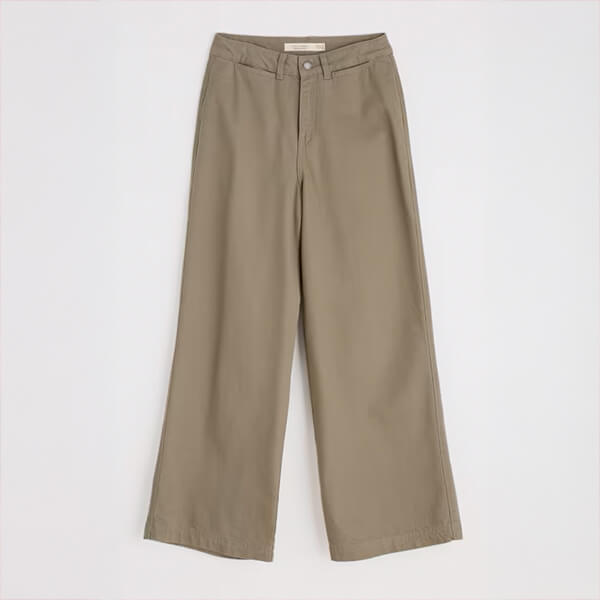
Seasalt Milly Trousers SiltLaid-back and modern, the wide-legged and very wearable Seasalt Milly Trousers Silt is just the thing for off-duty style. Crafted from organic cotton and featuring utility-inspired details, Milly makes a nod to classic denim jeans, while the palette adds a distinctively Cornish twist. Made from 100% Organic Cotton. Machine wash at 30°C.19,94 £*Shipping: 3,50 £Secure redirect to the provider
-
Seasalt Janelle Coat AranMade to last from year to year, the Seasalt Janelle Coat in Aran has a recycled nylon Tide Cycle® outer. Its relaxed shape allows for plenty of cosy layers underneath, and it falls to the knee for extra coverage. The upper half is lined with soft recycled fleece, while quilted lining at the bottom gives you ease of movement as well as warmth. Designed for the Cornish elements, the detachable hood has a peak to protect your face, and there are reflective strips for cloudy days and nighttime walks. Other notable features include adjustable cuffs, and zip and snap fastening down the full length of the front and a dipped back hem. Made from 100% Recycled Nylon with 100% Recycled Polyester lining. Machine wash at 30°C. Please note; these coats have a fitted style. If you intend on wearing thicker garments underneath, we recommend you size up.149,00 £*Shipping: 0,00 £Secure redirect to the provider
-
Seasalt Gwenver Jeans LimestoneModern, elevated and effortlessly stylish. The Seasalt Gwenver Jeans Limestone have a soft barrel shape that curves outwards at the thigh and gently tapers at the ankle to create a contemporary, structured silhouette. Off-centre seams create a striking, elongating effect to flatter and lengthen the leg, and the angled back pockets have been placed to shape and lift. Crafted in a premium non-stretch organic cotton denim that’s been washed for softness. Made from 100% Organic Cotton. Machine wash at 30C.39,00 £*Shipping: 3,50 £Secure redirect to the provider



-
Can one weave a scarf?
Yes, one can weave a scarf. Weaving a scarf involves using a loom to interlace yarn or thread to create a fabric. There are many different weaving techniques and patterns that can be used to create unique and beautiful scarves. With the right materials and some practice, anyone can learn to weave a scarf. **
-
How can you weave wicker?
To weave wicker, you will need to start by soaking the wicker material in water to make it more pliable. Next, you can begin by creating a base or frame for your wicker project using thicker pieces of wicker. Then, you can weave thinner strands of wicker in an over-under pattern to create the desired design. Finally, you can secure the ends of the wicker strands by tucking them under or using a small amount of glue. With practice and patience, you can create beautiful wicker pieces through weaving. **
-
How do you weave a net?
To weave a net, you first need to gather the materials such as string, rope, or twine. Then, you create a series of loops or knots to form the mesh pattern of the net. This can be done by using a weaving technique such as the over-and-under method. Finally, continue weaving the loops or knots until you reach the desired size of the net. **
-
How do you weave a perm?
To weave a perm, you first need to section the hair into small, even sections. Then, you wrap each section of hair around a perm rod, making sure to keep the tension even to create a uniform curl pattern. After all the sections are wrapped, you apply the perm solution to the hair and let it process for the recommended time. Finally, you rinse out the perm solution, neutralize the hair, and carefully remove the perm rods to reveal the newly-permed curls. **


Can tarantulas weave a spider web?
No, tarantulas cannot weave a traditional spider web like other species of spiders. They do not have the ability to produce silk from their spinnerets in the same way that other spiders do. Instead, tarantulas use their silk for lining their burrows, creating egg sacs, and sometimes for making trip wires to detect prey. Their silk is not used for constructing intricate webs for catching prey like other spiders. **
How can one weave with rattan?
To weave with rattan, you will need to first soak the rattan in water to make it more flexible and easier to work with. Then, you can start by creating a base structure using thicker pieces of rattan and securing them together. After the base is set, you can weave thinner rattan strands in and out of the base structure to create the desired pattern or design. It's important to keep the rattan moist while weaving to prevent it from drying out and becoming brittle. Once the weaving is complete, you can let the rattan dry and set to maintain its shape. **
Top-Angebote
Products related to Seasalt-Salt-Weave-Pinafore:
-
Seasalt Salt Weave Pinafore SeedbedIntroducing the Seasalt Salt Weave Pinafore in Seedbed: an organic cotton pinafore with an easy fit waistline, perfect for layering as the seasons change. The neckline differs from front to back, switching between a smooth scoop and a stylish V, with two-button opening on one shoulder, generous pockets and darts at the bust for extra shape. Made from 100% Linen. Machine washable.69,00 £*Shipping: 0,00 £Secure redirect to the provider
-
SeaSalt Hope Cottage Embroidered Blouse SaltIntroducing the Seasalt Hope Cottage Embroidered Blouse in Salt. Detailed embroidery brings contrast and texture to the woven cotton slub creating a subtly distinctive piece that you'll reach for time and again. Soft blouson sleeves and relaxed shape make this an easy-wearing blouse that's perfect with denim. Made from 100% Organic Cotton. Machine washable.59,95 £*Shipping: 0,00 £Secure redirect to the provider
-
Seasalt Janelle Coat WoodlandMade to last from year to year, the Seasalt Janelle Coat in Woodland has a recycled nylon Tide Cycle® outer. Its relaxed shape allows for plenty of cosy layers underneath, and it falls to the knee for extra coverage. The upper half is lined with soft recycled fleece, while quilted lining at the bottom gives you ease of movement as well as warmth. Designed for the Cornish elements, the detachable hood has a peak to protect your face, and there are reflective strips for cloudy days and nighttime walks. Other notable features include adjustable cuffs, and zip and snap fastening down the full length of the front and a dipped back hem. Made from 100% Recycled Nylon with 100% Recycled Polyester lining. Machine wash at 30°C. Please note; these coats have a fitted style. If you intend on wearing thicker garments underneath, we recommend you size up.149,95 £*Shipping: 0,00 £Secure redirect to the provider
-
Seasalt Milly Trousers SiltLaid-back and modern, the wide-legged and very wearable Seasalt Milly Trousers Silt is just the thing for off-duty style. Crafted from organic cotton and featuring utility-inspired details, Milly makes a nod to classic denim jeans, while the palette adds a distinctively Cornish twist. Made from 100% Organic Cotton. Machine wash at 30°C.19,94 £*Shipping: 3,50 £Secure redirect to the provider
-
What is the right choice for crossdressers: pinafore dress or pinafore skirt?
The right choice for crossdressers ultimately depends on personal preference and comfort. Some may feel more comfortable and confident in a pinafore dress, as it provides a complete outfit in one piece and can create a more feminine silhouette. Others may prefer a pinafore skirt, as it allows for more flexibility in pairing with different tops and creating different looks. It's important for crossdressers to choose the option that makes them feel the most authentic and comfortable in their own skin. **
-
Do people weave tarantulas?
No, people do not weave tarantulas. Tarantulas are living creatures, not materials that can be woven. However, some cultures may use the silk produced by tarantulas for various purposes, such as making clothing or other items. But the act of weaving itself does not involve tarantulas. **
-
Can one weave a scarf?
Yes, one can weave a scarf. Weaving a scarf involves using a loom to interlace yarn or thread to create a fabric. There are many different weaving techniques and patterns that can be used to create unique and beautiful scarves. With the right materials and some practice, anyone can learn to weave a scarf. **
-
How can you weave wicker?
To weave wicker, you will need to start by soaking the wicker material in water to make it more pliable. Next, you can begin by creating a base or frame for your wicker project using thicker pieces of wicker. Then, you can weave thinner strands of wicker in an over-under pattern to create the desired design. Finally, you can secure the ends of the wicker strands by tucking them under or using a small amount of glue. With practice and patience, you can create beautiful wicker pieces through weaving. **
Similar search terms for Seasalt-Salt-Weave-Pinafore
-
Seasalt Janelle Coat AranMade to last from year to year, the Seasalt Janelle Coat in Aran has a recycled nylon Tide Cycle® outer. Its relaxed shape allows for plenty of cosy layers underneath, and it falls to the knee for extra coverage. The upper half is lined with soft recycled fleece, while quilted lining at the bottom gives you ease of movement as well as warmth. Designed for the Cornish elements, the detachable hood has a peak to protect your face, and there are reflective strips for cloudy days and nighttime walks. Other notable features include adjustable cuffs, and zip and snap fastening down the full length of the front and a dipped back hem. Made from 100% Recycled Nylon with 100% Recycled Polyester lining. Machine wash at 30°C. Please note; these coats have a fitted style. If you intend on wearing thicker garments underneath, we recommend you size up.149,00 £*Shipping: 0,00 £Secure redirect to the provider
-
Seasalt Gwenver Jeans LimestoneModern, elevated and effortlessly stylish. The Seasalt Gwenver Jeans Limestone have a soft barrel shape that curves outwards at the thigh and gently tapers at the ankle to create a contemporary, structured silhouette. Off-centre seams create a striking, elongating effect to flatter and lengthen the leg, and the angled back pockets have been placed to shape and lift. Crafted in a premium non-stretch organic cotton denim that’s been washed for softness. Made from 100% Organic Cotton. Machine wash at 30C.39,00 £*Shipping: 3,50 £Secure redirect to the provider
-
Seasalt Towan Jeans LimestoneThe Seasalt Towan Jeans in Limestone flaunt a sleek, modern barrel leg with an ultra-flattering high waist. Designed for a relaxed fit on the thigh and a soft taper to the ankle with thoughtful details including shape-enhancing angled back pockets. Crafted from premium organic cotton denim, they will soften with every wear and blend comfort with contemporary style. Made from 100% Organic Cotton. Machine wash at 30°C.44,95 £*Shipping: 3,50 £Secure redirect to the provider
-
Seasalt Fistral Vest NoriMade from a soft mix of recycled nylon, organic cotton and RWS-certified merino wool, the Seasalt Fistral Vest in Nori offers an oversized fit that's perfect for layering over your favourite pieces. It has ribbed details at the V-neck, armholes and hem, giving it a neat but stylish finish from top to bottom. Made from 45% recycled Nylon 30% Organic Cotton 25% Merino Wool. Hand wash in cold water.65,95 £*Shipping: 0,00 £Secure redirect to the provider
-
How do you weave a net?
To weave a net, you first need to gather the materials such as string, rope, or twine. Then, you create a series of loops or knots to form the mesh pattern of the net. This can be done by using a weaving technique such as the over-and-under method. Finally, continue weaving the loops or knots until you reach the desired size of the net. **
-
How do you weave a perm?
To weave a perm, you first need to section the hair into small, even sections. Then, you wrap each section of hair around a perm rod, making sure to keep the tension even to create a uniform curl pattern. After all the sections are wrapped, you apply the perm solution to the hair and let it process for the recommended time. Finally, you rinse out the perm solution, neutralize the hair, and carefully remove the perm rods to reveal the newly-permed curls. **
-
Can tarantulas weave a spider web?
No, tarantulas cannot weave a traditional spider web like other species of spiders. They do not have the ability to produce silk from their spinnerets in the same way that other spiders do. Instead, tarantulas use their silk for lining their burrows, creating egg sacs, and sometimes for making trip wires to detect prey. Their silk is not used for constructing intricate webs for catching prey like other spiders. **
-
How can one weave with rattan?
To weave with rattan, you will need to first soak the rattan in water to make it more flexible and easier to work with. Then, you can start by creating a base structure using thicker pieces of rattan and securing them together. After the base is set, you can weave thinner rattan strands in and out of the base structure to create the desired pattern or design. It's important to keep the rattan moist while weaving to prevent it from drying out and becoming brittle. Once the weaving is complete, you can let the rattan dry and set to maintain its shape. **
* All prices are inclusive of VAT and, if applicable, plus shipping costs. The offer information is based on the details provided by the respective shop and is updated through automated processes. Real-time updates do not occur, so deviations can occur in individual cases. ** Note: Parts of this content were created by AI.